LION
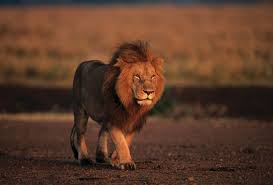
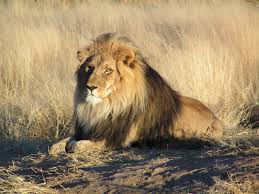
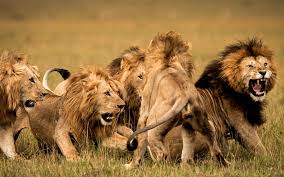
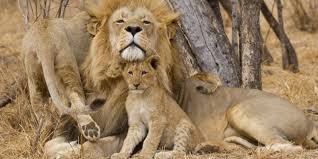
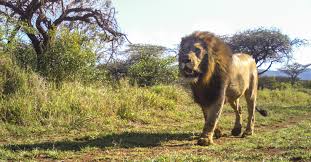
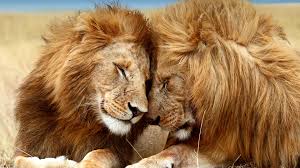
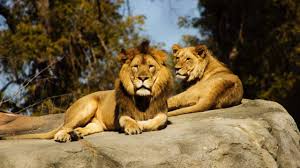
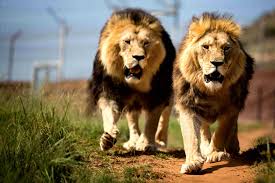
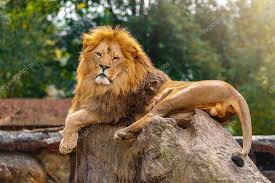
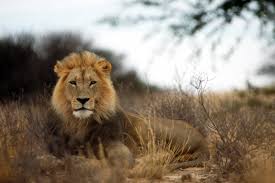
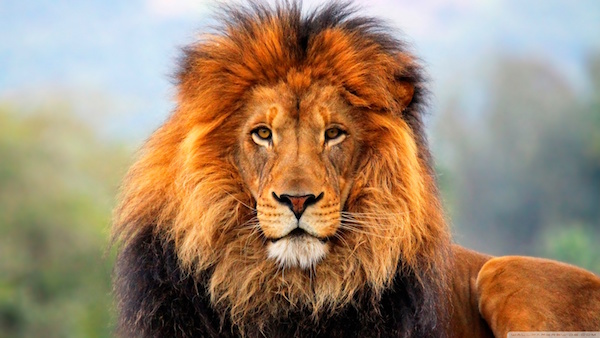
The lion (Panthera leo) is a large cat of the genus Panthera native to Africa and India. It has a muscular, deep-chested body, short, rounded head, round ears, and a hairy tuft at the end of its tail. It is sexually dimorphic; adult male lions are larger than females and have a prominent mane. It is a social species, forming groups called prides. A lion's pride consists of a few adult males, related females, and cubs. Groups of female lions usually hunt together, preying mostly on large ungulates.
The lion is an apex and keystone predator; although some lions scavenge when opportunities occur and have been known to hunt humans, the species typically does not.The lion inhabits grasslands, savannas, shrublands and dry deciduous forests. It is usually more diurnal than other wild cats, but when persecuted, it adapts to being active at night and at twilight.
One of the most widely recognised animal symbols in human culture, the lion has been extensively depicted in sculptures and paintings, on national flags, and in contemporary films and literature. Lions have been kept in menageries since the time of the Roman Empire and have been a key species sought for exhibition in zoological gardens across the world since the late 18th century. Cultural depictions of lions were prominent in Ancient Egypt, and depictions have occurred in virtually all ancient and medieval cultures in the lion's historic and current range.
Lions spend much of their time resting; they are inactive for about twenty hours per day. Although lions can be active at any time, their activity generally peaks after dusk with a period of socialising, grooming and defecating. Intermittent bursts of activity continue until dawn, when hunting most often takes place. They spend an average of two hours a day walking and fifty minutes eating
| SPEED : | 80 Km/h (Maximum, In Short Bursts) |
|---|---|
| HEIGHT : | 1,2 m (Adult, At Shoulder) |
| LIFESPAN : | 10 - 15 years |
| CLASS : | Mammalia |
| KINGDOM : | Animalia |
| FAMILY : | Felidae |
| MASS : | 130 - 190 Kg (Adults) |
WHERE WILL YOU FIND THEM:
You can find them at pen C20, North of the zoo entrance.
Gallery